

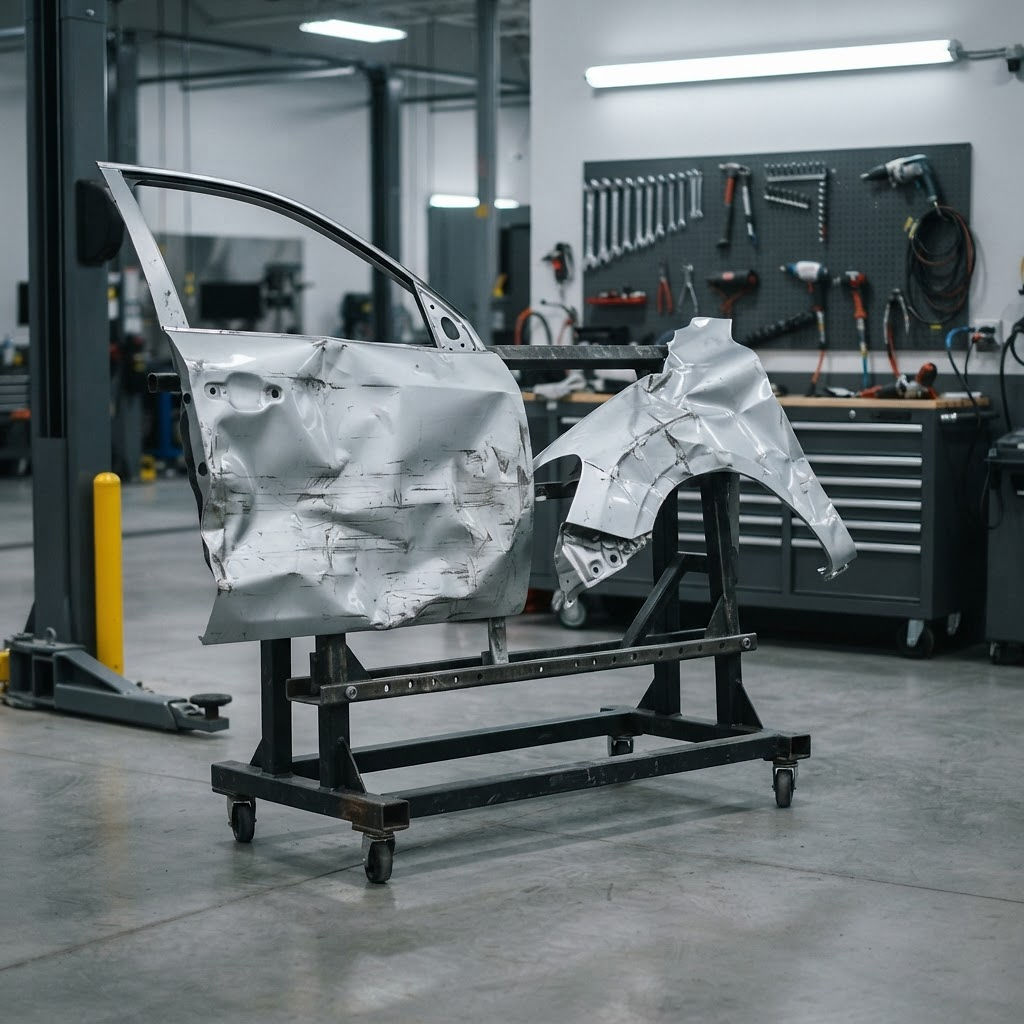
A total loss should start with the facts.
Expert total loss valuation and support across the United States, Canada, and Australia. Insurance companies have their methods — your voice matters in this decision.

Their number is a starting point, not a verdict.
Three things to understand before you settle a total loss — and why an independent opinion matters at each step.

What total loss means
A vehicle may be declared a total loss based on repair economics, vehicle value, safety considerations, and applicable rules. The relevant standards differ by state and insurance policy.


Their offer versus fair value
Review the details behind an insurer's valuation, including condition, options, mileage, and comparable vehicles. Some policies provide a dispute or appraisal process, depending on their terms and applicable law.


Nationwide support
Our consultants across the United States, with locations in Canada and Australia, inspect, evaluate, and advocate for your rights as a consumer.
Understand the numbers behind your valuation.
An independent valuation can help you understand the evidence behind your vehicle's value and make a more informed decision about your next steps. Outcomes are not guaranteed.
Four steps from their offer to your documentation.
An independent valuation follows a clear path, and you are involved at every point.
Call your local office
Tell us what happened and what you have been offered. You speak directly with a consultant who works in your market.
Independent inspection
An appraiser inspects the vehicle, measures and photographs the damage and the repair, and records what was and was not restored.
Market value research
We value the vehicle against real market data for its make, model, mileage, and condition instead of taking a number at face value.
You receive the report
Your written appraisal gives you documented, unbiased numbers to present to your insurer, the at-fault party, or your attorney.
Two valuations, one decision.
A total loss settlement usually rests on a single valuation. Here is what changes when an independent appraiser documents the vehicle for you.
Who prepares it
The insurer's valuation
The insurer's appraiser
An independent appraisal
An independent appraiser you hire
What it reflects
The insurer's valuation
Their valuation method for your vehicle
An independent appraisal
Real market data for your make, model, mileage, and condition
Your role
The insurer's valuation
You accept the number or question it
An independent appraisal
Our documentation puts your position on the record
If you disagree
The insurer's valuation
You can ask about your policy's appraisal clause
An independent appraisal
Your written appraisal supports that challenge
Ready to compare the numbers? A consultant can walk you through what an independent valuation documents for your vehicle, and what your policy's process allows.
Next step
Speak with an independent appraiser about your claim.
Tell us what happened and what you have been offered. A consultant can explain available services and discuss which options may fit your situation.